
Thailand Privilege Visa

Thailand Privilege Visa

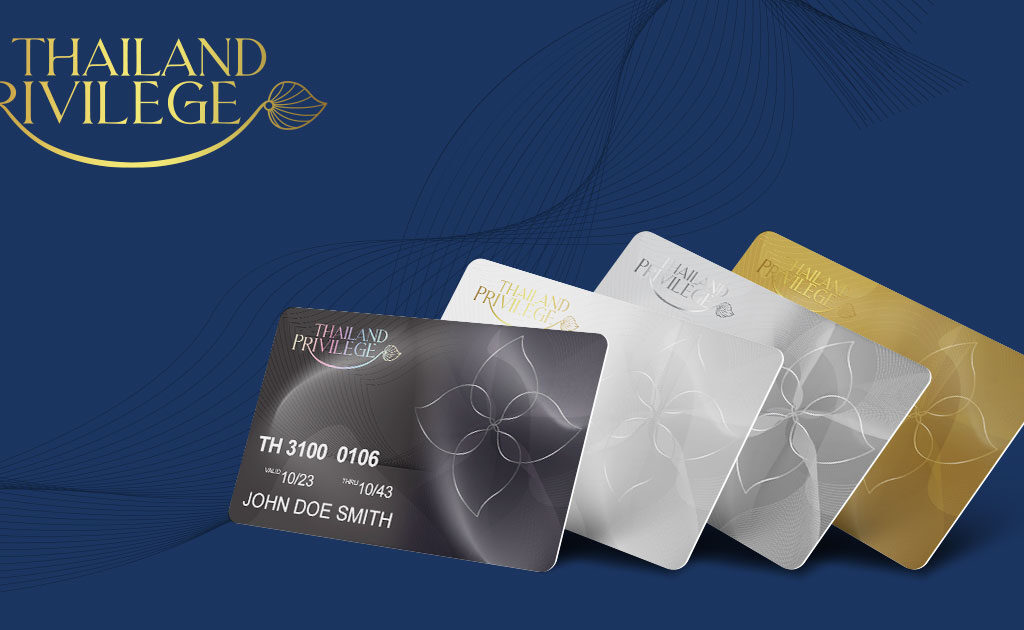
Thailand Privilege Visa (commonly referred to as the Thailand Elite or Privilege Card program) is a paid, membership-style long-stay option that bundles a multi-year multiple-entry visa with concierge immigration services, VIP airport handling, and lifestyle perks. It’s not a work visa or permanent residency, but for people who value convenience, predictable long-term access and white-glove services, it’s an attractive, pragmatic product — provided you understand the limits, costs, compliance obligations and alternatives. This guide explains how the program really works, who benefits, the operational mechanics, legal and tax traps to avoid, and a practical decision checklist.

What the Privilege Visa is — the product in one sentence

The Privilege Visa is a commercial membership issued via Thailand Privilege Card Co., Ltd. that entitles approved members to a long-dated multiple-entry visa matched to the membership term (5–20 years, depending on package) plus concierge immigration services (90-day reporting assistance, arrival/departure fast-track), lifestyle partner benefits, and administrative help — but it does not itself grant employment rights in Thailand.

Packages, pricing and what you actually buy

Memberships are tiered (Bronze, Gold, Platinum, Diamond, Reserve or similar), and price points vary by tier and family inclusions. Publicly available ranges in 2025 show entry tiers (Bronze) around THB 650,000 for 5 years, mid tiers (Gold/Platinum) in the low-to-mid millions for longer terms, and the top “Reserve” tier commanding higher multi-year premiums; precise pricing and included “privilege points” are listed by the operator and may change. Confirm the current official fee schedule before you commit.

What you buy in practice:

  • a visa sticker or entry facilitation covering the membership term;

  • VIP airport and arrival/departure processing;

  • concierge help with routine immigration tasks (90-day reporting, renewals in practice through operator services);

  • partner discounts (hotels, hospitals, golf clubs) and access services (driver’s license help, bank introductions) depending on tier.

Family and promotions — the economics can change quickly

Family add-ons are available but subject to tier rules and periodic promotions. In 2025 the program ran limited promotions allowing family members at reduced fees (e.g., promotional add-on rates reported at THB 500,000 in specific windows). If family coverage matters, check current promotional windows and whether your chosen tier allows dependent additions without separate full memberships. Promotions can materially change the cost calculus.

Work, business and legal limits — the crucial exclusion

The Privilege Visa is effectively a long-stay tourist/privilege visa: it does not automatically allow you to work for a Thai employer or to obtain a work permit — you must apply separately for a non-immigrant work visa and then a work permit if you intend to work in Thailand. The program’s convenience therefore helps with lifestyle and residency friction, but not with employment legalization (unless you qualify for specific conversion programs the operator occasionally offers). Plan employment paths separately.

Policy and administrative modernization are underway for work permits (for example, digitalization of work-permit processing), so keep an eye on regulatory developments that may affect how easily a Privilege Visa holder can switch to a work-authorized status.

Compliance obligations you still have

Privilege members remain responsible for standard immigration duties: 90-day reporting, TM-30 address notifications (landlords register foreign guests), and any visa-condition reporting. The operator offers to manage many of these steps as part of the concierge service, but responsibility for compliance stays with the visa holder — missed reports mean fines and potential complications. Use the service, but retain copies of filings and receipts.

Practical operational workflow (how you actually apply)

  1. Choose a package and confirm family rules.

  2. Submit identity documents, background information and pay the membership fee to the operator; the application and payment are commercial steps handled by the operator.

  3. The operator coordinates visa issuance with Thai immigration — the sticker can be affixed at a Thai consulate beforehand, or processed per the operator’s arrangements for arrival/immigration handling. Allow several weeks for vetting and consular scheduling. Keep traceable proof of payment.

Pros and cons — when the Privilege Visa makes sense

Pros:

  • hassle reduction (no frequent consular visa runs for many years), VIP arrival services, and concierge handling of routine immigration friction;

  • predictability for semi-retirees, frequent travelers and investors who need reliable access;

  • lifestyle and partner benefits that can add measurable value for high-use members.

Cons:

  • costly for families unless promotions are available;

  • not a substitute for work permits or permanent residency — employment/immigration strategy must be layered separately;

  • fees are generally non-refundable/non-transferable (except limited cases like the Reserve tier), and the program’s commercial terms control refunds and transfer rules; promotions and policy can change over time.

Tax and residency — do not assume tax benefits

Long stays can trigger Thai tax-residence rules (generally physical presence thresholds), which carry income-tax obligations on Thai-sourced income and potentially foreign-sourced income dependent on domicile and timing. The Privilege Visa gives physical-stay convenience but does not alter tax rules. Consult a tax adviser if you plan multi-month residency or to maintain domicile for tax purposes.

Alternatives to compare before you pay

Compare the Privilege Visa to other long-stay routes (retirement visas, LTR programs or remote-worker / digital-nomad visas). Some newer programs (e.g., extended digital-nomad or LTR options) may offer different tradeoffs — lower upfront cost or the right to work remotely under defined terms — so run a 5- to 10-year total-cost and functional comparison for you and family members. (See recent developments on remote-work visas for context.)

Decision checklist — should you join?

  1. Are you primarily buying convenience/time savings (airport, 90-day handling) or immigration rights (work, family reunification)? If the latter, Privilege may be complementary, not primary.

  2. Run total cost for your family (membership + add-on fees + likely visa/legal costs for work permits) over your planned stay.

  3. Confirm whether your chosen tier allows family members, and whether any current promotions apply.

  4. Check refund/transfer terms carefully — membership payments are typically non-refundable.

  5. If you may seek to work later, consult immigration counsel now and model conversion paths and timing.

  6. Ensure you keep proof of all payments and official receipts; use escrow where large international transfers raise questions with banks or compliance teams. Thailand Privilege+1

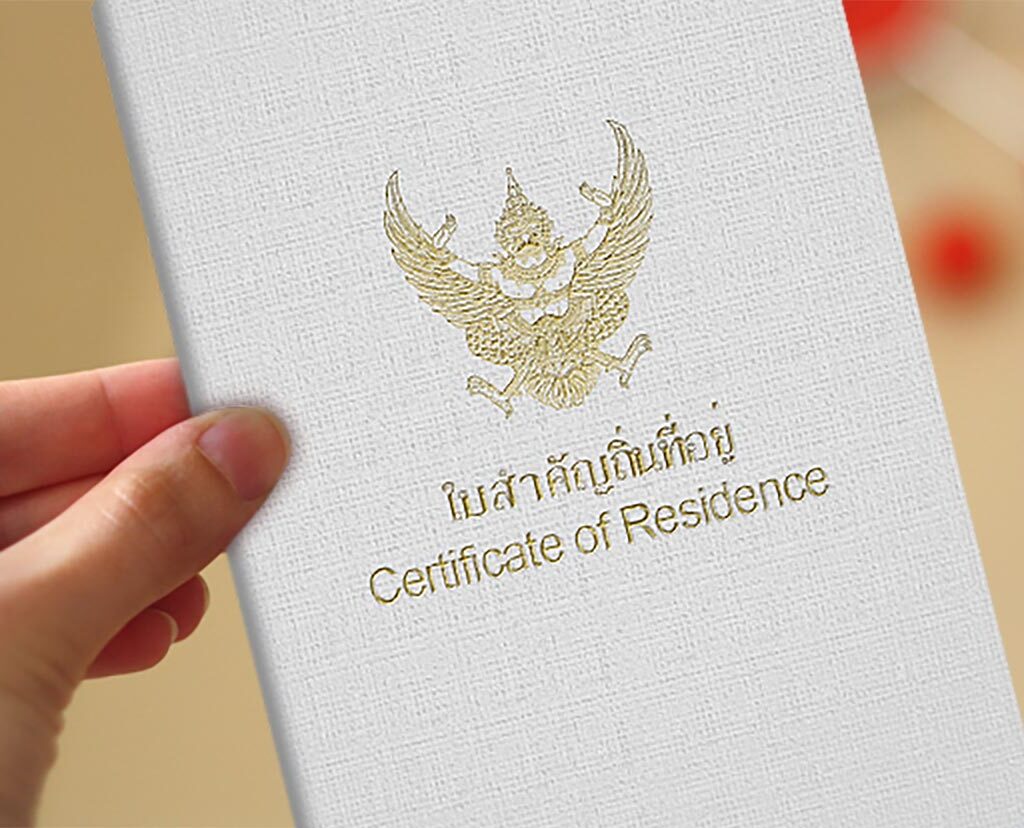
Permanent Residence in Thailand

Permanent Residence in Thailand

Obtaining Permanent Residence in Thailand is a significant achievement for foreign nationals who wish to make Thailand their long-term home. It grants individuals the right to live in Thailand indefinitely without the need for a visa, allows for greater business opportunities, and offers numerous other privileges. However, the application process is intricate, with strict eligibility criteria, documentation requirements, and an in-depth evaluation system. This article provides a comprehensive exploration of the Permanent Residence process in Thailand, including eligibility criteria, the application process, benefits, and responsibilities that come with holding PR status.

Legal Framework Governing Permanent Residence in Thailand

Permanent Residence in Thailand is regulated by the Immigration Act B.E. 2522 (1979) and relevant ministerial regulations. The annual quota for permanent residents is set by the Ministry of Interior, and the decision to grant PR status is at the discretion of the Immigration Commission, following a rigorous review process.

1. Annual Quota for Permanent Residence Applications

Each year, Thailand caps the number of PR applications to a limited number. Currently, the quota allows for up to 100 PR approvals per nationality per year. This limit ensures a controlled and selective admission process, prioritizing applicants who meet the highest standards of eligibility and economic benefit.

2. Eligibility Criteria for Permanent Residence

There are several categories under which an individual can apply for Permanent Residence in Thailand, each with its own specific requirements.

General Requirements:

  • Holding a Non-Immigrant Visa: Applicants must have held a non-immigrant visa for at least three consecutive years before applying.
  • No Criminal Record: Applicants must have a clean criminal record, both in Thailand and their home country.
  • Stable Employment: Proof of stable employment, such as working for a Thai company for a certain period or owning a business, is essential for some applicants.
  • Financial Stability: Demonstrating financial stability, such as through income tax payments and proof of a consistent, sufficient income.

Categories of Eligibility:

  • Investment: Applicants who invest a significant amount in a Thai business or the Thai economy (typically 10 million THB or more) are eligible under the investment category.
  • Employment: Individuals working in Thailand for a minimum of three consecutive years with the same employer can apply, provided they meet the salary and tax payment criteria.
  • Business Ownership: Foreigners who own a business in Thailand and meet financial and ownership requirements can also apply.
  • Family Relationship: Spouses or children of Thai nationals, as well as foreign nationals who are dependents of individuals holding PR status, can apply.
  • Experts/Academics: Skilled professionals or academics who contribute to Thailand’s economic or educational sectors are also eligible.

Application Process for Permanent Residence in Thailand

The process of applying for PR is detailed and rigorous, requiring extensive documentation and time. The application window opens only once a year, typically between October and December, and the process involves multiple stages of review by Thai immigration authorities.

1. Preparation of Required Documents

Preparing the necessary documents is the most crucial part of the application. Missing or incomplete documentation can lead to delays or rejection of the application.

Key Documents:

  • Application Form (TM.9): The completed TM.9 application form is the official document used to apply for PR.
  • Passport: A valid passport, including copies of all stamped pages.
  • Non-Immigrant Visa: Proof of holding a valid non-immigrant visa for at least three consecutive years.
  • Work Permit: A valid work permit (if applying under the employment or business category), with at least three years of employment with the same company.
  • Tax Documents: Income tax returns (Por Ngor Dor 91) for at least three consecutive years.
  • Medical Certificate: A medical certificate confirming that the applicant is free from prohibited diseases.
  • Police Clearance Certificate: A criminal background check from both the applicant’s home country and Thailand.
  • Marriage Certificate: If applying as the spouse of a Thai national or PR holder, a legally recognized marriage certificate is required.

2. Submission and Review Process

Once all documents are prepared, the application is submitted to the Immigration Bureau in Bangkok during the annual application period. Following submission, the process consists of several steps:

Steps in the Process:

  • Initial Review: The Immigration Bureau conducts an initial review of the documents to ensure completeness and eligibility.
  • Interview and Language Test: Applicants are required to attend an interview and take a basic Thai language test to demonstrate their integration into Thai society.
  • Committee Review: The application is reviewed by the Immigration Commission, which may request additional documents or clarification during the process.
  • Final Approval: Upon approval by the Commission, the application is sent to the Ministry of Interior for final endorsement. The entire process can take 6-12 months from submission to final approval.

Benefits of Permanent Residence in Thailand

Holding Permanent Resident status in Thailand offers numerous advantages, both practical and financial. PR status allows foreign nationals to live, work, and conduct business in Thailand with fewer restrictions, granting them a more stable legal standing in the country.

1. Right to Reside Permanently

With Permanent Residence status, individuals are no longer required to renew visas or leave the country periodically, as is the case with most non-immigrant visa holders. PR holders can live in Thailand indefinitely without needing to apply for re-entry permits.

2. Employment Benefits

PR holders can work freely in Thailand without needing to apply for or renew a work permit. This provides them with the flexibility to switch employers, engage in multiple business ventures, or take up freelance work without worrying about immigration compliance.

3. Business Opportunities

PR status opens up significant business opportunities. Permanent residents can serve as directors in Thai companies, own more shares in Thai-owned companies, and purchase condominiums or land for commercial use under specific conditions.

4. Eligibility for Thai Citizenship

One of the most significant benefits of holding PR status is that it provides a pathway to Thai citizenship. After holding PR for five consecutive years, individuals may be eligible to apply for Thai nationality.

5. Family Privileges

Permanent residents can include their spouse and children in their PR application. Additionally, PR holders can sponsor foreign spouses or children for long-term visas, and their children born in Thailand can be considered for Thai citizenship.

6. Financial Stability and Credit Access

PR holders have better access to financial services, including the ability to apply for long-term mortgages and credit lines from Thai banks. Banks often view PR holders as low-risk clients compared to those on short-term visas.

Responsibilities of Permanent Residents in Thailand

While holding Permanent Residence offers many advantages, it also comes with certain responsibilities. PR holders must comply with immigration reporting requirements and maintain lawful behavior in Thailand.

1. Annual Reporting Requirement

PR holders are required to report their current residence address to the Immigration Bureau each year. This is a simple process that can be done either in person or through a designated agent.

2. Immigration Compliance

Permanent residents must continue to abide by Thai laws and regulations. Engaging in criminal activity or violating immigration laws can lead to the revocation of PR status.

3. Re-Entry Permit for Travel

Although PR holders can live in Thailand indefinitely, they still require a re-entry permit if they plan to travel outside of Thailand. Failing to obtain a re-entry permit before leaving the country could result in the loss of PR status.

Challenges and Considerations for Permanent Residency

The process of applying for Permanent Residency in Thailand is highly selective, and even well-qualified applicants may face challenges during the application process.

1. Complex Documentation Requirements

One of the most challenging aspects of the application process is the extensive documentation required, particularly for those applying under the employment or business ownership categories. Applicants must ensure that all documents are properly translated into Thai and authenticated by the relevant authorities.

2. Long Processing Time

The processing time for PR applications can be lengthy, often taking up to 12 months for final approval. Applicants should be prepared for potential delays and understand that the Immigration Commission may request additional documents or information at any stage.

3. Limited Quota

With only 100 PR approvals available per nationality per year, competition for PR status can be high, particularly among applicants from countries with large expatriate communities in Thailand.

Conclusion

Permanent Residence in Thailand offers foreign nationals a range of significant benefits, from the ability to live and work indefinitely in the country to greater business opportunities and eligibility for Thai citizenship. However, the application process is complex and requires careful preparation and attention to detail.

For those who meet the eligibility criteria and are committed to building a long-term life in Thailand, Permanent Residence is a rewarding option that provides stability, security, and integration into Thai society. By understanding the legal framework, navigating the application process, and fulfilling the necessary responsibilities, foreign nationals can successfully obtain PR status and enjoy the privileges that come with it.

Marriage Visa in Thailand

Marriage Visa in Thailand

A marriage visa in Thailand allows foreign spouses of Thai citizens to live in the country legally. It offers a longer stay than a tourist visa and the chance to work in Thailand. If you’re considering this route, here’s a breakdown of the essentials:

Eligibility

  • Be legally married to a Thai citizen.
  • Meet financial requirements:
    • Minimum 400,000 THB deposit in a Thai bank account for at least 2 months.
    • OR monthly income of at least 40,000 THB.

Benefits

  • Extended stay in Thailand (1 year, renewable annually).
  • No need for re-entry permits for trips abroad.
  • Opportunity to apply for a work permit and legally work in Thailand.

Documents Required

  • Completed visa application form with photo.
  • Valid passport.
  • Marriage certificate (Thai government-issued or translated and certified).
  • Proof of Thai residency (yours or your spouse’s).
  • Financial documents (bank statements or bank verification letter).

Additional Points

  • The application process can be done in Thailand or at a Thai embassy/consulate abroad.
  • Requirements may vary slightly depending on the embassy/consulate.
  • Consult a lawyer or immigration specialist for guidance on specific details and the application process.

Remember

  • A marriage visa is tied to your marital status. Divorce terminates the visa.
  • Renewals require similar documentation, with a minimum 3-month holding period for the required funds.

For further information and the latest regulations, consider referencing the websites of the Thai Immigration Bureau or the Thai embassy/consulate in your home country.

Thailand Elite Visa

Thailand Elite Visa and Its Exclusive Benefits

Thailand Elite Visa

In the realm of global travel and luxury experiences, the Thailand Elite Visa, rebranded as Thailand Privilege Visa, stands as an epitome of exclusivity, offering a gateway to a world of unparalleled privileges and indulgences. Crafted with meticulous attention to detail and designed to cater to the discerning tastes of elite travelers, this prestigious visa program redefines the concept of luxury travel.

Thai Elite Bisa Benefits

1. Visa-Free Travel

Holders of the Thailand Privilege Visa enjoy the unparalleled advantage of visa-free travel to the Kingdom of Thailand, eliminating the hassle of visa applications and facilitating seamless entry into the country’s vibrant tapestry of culture and adventure.

2. Exclusive Access

Gain access to a curated selection of Thailand’s most coveted destinations, luxury resorts, and cultural experiences, ensuring that every journey is infused with sophistication and refinement.

3. Dedicated Concierge Services

A team of dedicated concierge professionals stands ready to cater to every whim and desire, providing personalized assistance and ensuring a seamless travel experience from start to finish.

4. VIP Treatment

Enjoy VIP treatment at airports, hotels, and various attractions, with priority services and exclusive privileges that elevate every aspect of the travel experience.

5. Luxury Accommodations

Indulge in lavish accommodations at Thailand’s most prestigious hotels and resorts, where opulence meets unparalleled hospitality, promising a stay that is nothing short of extraordinary.

6. Fine Dining Experiences

Savor the finest culinary delights that Thailand has to offer, with access to exclusive dining establishments and gastronomic adventures that tantalize the taste buds and indulge the senses.

7. Cultural Immersion

Immerse yourself in Thailand’s rich cultural heritage with privileged access to cultural events, art exhibitions, and traditional ceremonies that offer a glimpse into the soul of the nation.

8. Health and Wellness Retreats

Rejuvenate mind, body, and soul at Thailand’s world-class health and wellness retreats, where ancient healing traditions blend seamlessly with modern luxury to create an oasis of serenity and renewal.

Thailand Elite Visa Packages

Thailand Privilege Visa Gold Package

The Gold tier grants access to a wide array of privileges and benefits, including premium accommodations, exclusive experiences, and personalized concierge services.

Thailand Privilege Visa Platinum Package

Elevate your travel experience with the Platinum tier, which offers enhanced privileges such as priority access to luxury amenities, VIP treatment, and invitations to exclusive events.

Thailand Privilege Visa Diamond Package

The Diamond tier represents the pinnacle of luxury travel, with access to the most exclusive destinations, bespoke experiences tailored to individual preferences, and unparalleled levels of personalized service.

Thailand Privilege Visa Reserve Package

Reserved for a select few, the Reserve tier offers access to a world of absolute luxury, with privileges that transcend the ordinary and redefine the boundaries of indulgence.

Thailand Privilege Points System

The Thailand Privilege Points System rewards members for their loyalty and patronage, allowing them to accumulate points with every transaction and redeem them for a variety of exclusive rewards, upgrades, and experiences. Whether it’s upgrading to a suite at a luxury resort, securing priority reservations at top-tier restaurants, or gaining access to sold-out events, the Points System ensures that members are continually rewarded for their commitment to excellence.

How to apply for Thailand Elite Visa

1. Thai Elite Application and Background Check

Applying for the Thailand Elite Visa is a hassle-free endeavor, whether you find yourself within the vibrant borders of Thailand or in distant lands abroad. To initiate the process, gather the following documents:

  • A copy of your passport.
  • A completed application form, to be submitted to your agent
  • A recent photograph of yourself.

Once assembled, these documents will be forwarded to Thailand Elite for review. Depending on your country of residence, the processing time may vary, typically ranging from 30 days for most countries to up to 3 months for select regions.

2. Payment of Privilege Membership Fee

Upon successful completion of the background check and approval of your application, you’ll be required to proceed with the payment of the membership fee. The fee is contingent upon the membership package you’ve chosen, with prices ranging from 900,000 THB to 5 million THB.

3. Receive instructions on how to obtain your Thai Elite Visa

With the membership fee settled, you’ll receive your Membership ID along with detailed instructions on how to obtain your visa.

4. Getting the Thailand Elite Visa

  • Abroad: If you find yourself outside the borders of Thailand, you have the option to acquire the Thailand Elite Visa either at the Thai Embassy in your current country of residence or upon arrival at select international airports in Thailand, including Bangkok Suvarnabhumi Airport, Chiang Mai Airport, or Phuket Airport.
  • In Thailand: For those already within the enchanting realm of Thailand, rest assured that the Thai Elite agent will facilitate the issuance of your visa directly at the Immigration Bureau in Bangkok, ensuring a seamless transition into the realm of elite privilege.

In conclusion, the Thailand Elite Visa represents more than just a travel document; it is a symbol of prestige, exclusivity, and unparalleled luxury. With a host of benefits, membership tiers, and a rewarding Points System, it offers elite travelers the opportunity to explore Thailand in style and sophistication, creating memories that will last a lifetime.

Retiring in Thailand

Retiring in Thailand

Retiring in Thailand. As the dream of retirement becomes a reality, many individuals seek an idyllic destination that offers a serene and affordable lifestyle. One such destination that has captivated the hearts of retirees around the world is Thailand. With its stunning natural beauty, warm hospitality, and a plethora of attractions, retiring in Thailand can be an enchanting experience. In this article, we will explore the advantages that Thailand offers over other countries as a retirement haven.

  1. Cost of Living:

Thailand’s cost of living is notably lower than that of many Western countries, making it an attractive choice for retirees looking to stretch their retirement savings. Accommodation, food, transportation, and healthcare expenses are generally more affordable compared to countries like the United States, Canada, or Australia. Retirees can enjoy a comfortable lifestyle without sacrificing their financial security.

  1. Welcoming Culture and Warm Hospitality:

Thailand is renowned for its friendly and welcoming culture. Thai people are known for their warm smiles and graciousness, making retirees feel at home in this tropical paradise. The Thai concept of “sanuk” (fun) is deeply ingrained in their way of life, which means retirees can expect a vibrant and enjoyable atmosphere wherever they go. The sense of community is strong, with plenty of opportunities to socialize and make new friends.

  1. Beautiful Natural Environment:

Thailand boasts an abundance of natural beauty that entices retirees to embrace an active and healthy lifestyle. From picturesque beaches and turquoise waters to lush mountains and tropical rainforests, the country offers a diverse range of landscapes. The climate is tropical, with warm temperatures year-round, allowing retirees to indulge in outdoor activities, such as swimming, hiking, golfing, and exploring the vibrant street markets.

  1. World-Class Healthcare:

Thailand has emerged as a hub for medical tourism due to its excellent healthcare facilities and highly qualified healthcare professionals. The country is home to internationally accredited hospitals and clinics that offer a wide range of medical treatments and procedures at a fraction of the cost compared to Western countries. Retirees can have peace of mind knowing that quality healthcare is readily accessible.

  1. Cultural Richness and Experiences:

Retiring in Thailand offers a unique opportunity to immerse oneself in a rich cultural heritage. From awe-inspiring Buddhist temples and ancient ruins to vibrant festivals and traditional arts, retirees can engage in a variety of cultural experiences. Thai cuisine is renowned globally, and retirees can indulge in an array of flavorful dishes while exploring local markets and street food stalls.

  1. Expatriate Communities and Services:

Thailand is home to thriving expatriate communities in popular retirement destinations such as Chiang Mai, Pattaya, Hua Hin, and Phuket. These communities provide a support network for retirees, offering social events, clubs, and activities catered specifically to their needs. Additionally, numerous services are tailored to the expatriate population, including banking facilities, legal assistance, and visa support.

Conclusion:

Retiring in Thailand presents an enticing opportunity for individuals seeking a tropical paradise to spend their golden years. The country’s affordability, welcoming culture, natural beauty, world-class healthcare, rich cultural experiences, and expatriate communities make it stand out as a top choice for retirees worldwide. Whether it’s embracing the laid-back beach lifestyle or exploring the cultural treasures of ancient cities, Thailand offers a retirement experience that is both fulfilling and enchanting.